
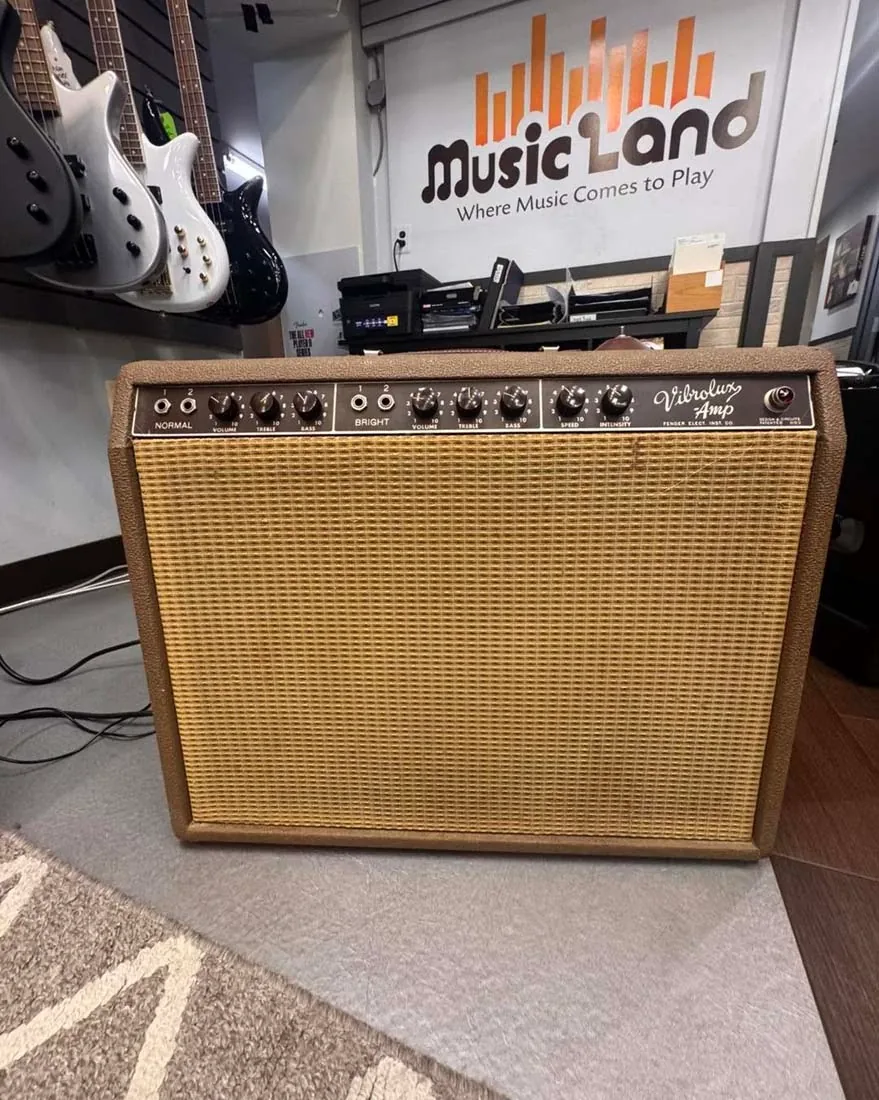
Sell Your Used Instrument in Bel Air, MD
Every musician eventually ends up with an instrument or piece of gear that is no longer being played.
It may be a guitar replaced by an upgrade, a keyboard left unused after lessons ended, an amplifier that no longer fits the band, a drum kit the children outgrew, or a collection accumulated over many years.
Music Land has served the Bel Air music community since 1971 and currently operates at:
Music Land
200 Gateway Drive
Bel Air, MD 21014
Music Land’s consignment program helps connect local musicians with new owners for their used instruments and equipment. Qualifying consigned gear may be promoted through:
- Music Land’s Bel Air showroom
- Music Land’s online sales channels
- Music Land’s Reverb storefront
- Music Land’s social-media channels
Musicians from Bel Air, Harford County, Baltimore County, Cecil County, northern Delaware, and southern Pennsylvania bring instruments and equipment to Music Land for consignment.
Review the areas served by Music Land for more information about our regional service area.
Consignment can provide an alternative to photographing the item yourself, managing marketplace listings, negotiating with strangers, arranging private showings, or handling buyer communication.
Bring the instrument or equipment to Music Land for an in-person review. Our team will evaluate the item, discuss its condition and current market, and explain whether it may be a good candidate for consignment.
How Music Land’s Consignment Process Works
Music Land’s consignment process is designed to make selling used instruments and equipment easier for musicians.
Bring Your Instrument or Gear to Music Land
Bring the instrument or equipment to 200 Gateway Drive in Bel Air for an in-person review.
The Music Land team will look at:
- Instrument or equipment type
- Brand and model
- Physical condition
- Playing or operating condition
- Included cases, cables, power supplies, pedals, or accessories
- Current buyer demand
- Likely resale value
Every item is reviewed individually. Bringing an item to the store does not guarantee that it will be accepted for consignment.
Work With the Team to Determine a Selling Price
Music Land works with the consignor to understand what they hope to receive for the item and researches the value of similar instruments or equipment currently available.
The store and consignor then discuss an asking price based on:
- Condition
- Brand
- Model
- Age
- Included accessories
- Comparable listings and recent sales
- Current market demand
- The seller’s goals
The agreed price and Music Land’s authority to accept offers or reduce the price should be documented in the current consignment agreement.
Music Land Photographs the Item and Creates the Listing
After the item is accepted and the asking price is approved, Music Land photographs the instrument or equipment and prepares the applicable sales listing.
Qualifying items may be listed through Music Land’s online sales channels and Reverb storefront, helping local consignors reach buyers beyond the Bel Air area.

The Instrument Is Promoted Online and In the Store
Depending on the item and current sales plan, consigned instruments may be:
- Displayed in Music Land’s Bel Air showroom
- Listed through Music Land’s online store
- Listed through Music Land’s Reverb storefront
- Shared through Music Land’s social-media channels
Customers can browse used instruments online to view available used gear.
The Consignor Is Paid After the Instrument Sells
The current consignment-program description provides two payout choices:
- 70% of the final sale price paid by check
- 80% of the final sale price provided as Music Land store credit
The store handles the buyer transaction and customer communication during the sales process.
Some sellers may prefer the cash option. Others may choose store credit to apply toward another instrument, equipment, music lessons, repairs, rentals, or another qualifying Music Land purchase or service.
All payout percentages, eligible store-credit uses, deductions, payment timing, return periods, and transaction expenses must be confirmed through the current written consignment agreement.
Why Sell Your Gear Through Music Land?
Musicians have several options when selling used instruments, including private marketplaces, dedicated music websites, trade-ins, and direct sales to other musicians.
Music Land’s consignment program provides several potential advantages.
Reach Local Instrument and Gear Buyers
Musicians, students, families, educators, and performers visit Music Land specifically to shop for instruments and music gear.
Displaying consigned items in a working music store places them in front of customers already interested in musical equipment.
Professional Photography and Listing Assistance
Private sellers often need to photograph the item, research its specifications, write a description, and manage the listing.
Music Land handles the applicable photography and listing process for accepted items.
Exposure Through Music Land’s Reverb Storefront
Music Land maintains a Reverb storefront that can provide qualifying items with exposure to buyers throughout the United States.
No Private Showings or Direct Buyer Negotiations
Private sales may require:
- Answering repeated messages
- Negotiating directly with buyers
- Arranging private meetings
- Managing payment
- Packing and shipping the item
- Resolving buyer questions
Under the consignment program, Music Land manages the applicable buyer communication and transaction process.
A Higher Store-Credit Payout Option
The current program description provides an 80% store-credit option compared with a 70% check payout.
The store-credit option may provide additional value for musicians planning another qualifying purchase or service through Music Land.
Used Gear Music Land May Accept for Consignment
Music Land considers many types of used instruments, amplifiers, and music equipment for consignment.
Acceptance depends on condition, resale value, buyer demand, parts availability, storage requirements, and the store’s current inventory.
Guitars
Qualifying items may include:
- Acoustic guitars
- Electric guitars
- Bass guitars
- Classical guitars
- Twelve-string guitars
- Left-handed guitars
- Vintage guitars
- Beginner guitar packages
Brands commonly seen in the store may include Martin, Fender, Gibson, Epiphone, Gretsch, PRS, Ibanez, Jackson, Sterling by Music Man, EVH, Seagull, Cordoba, Kala, Lanikai, Makala, Eastman, and Gold Tone.
Brand inclusion does not guarantee acceptance of every item.
Guitar Amplifiers, Pedals, and Effects
Qualifying items may include:
- Electric guitar amplifiers
- Acoustic guitar amplifiers
- Bass amplifiers
- Guitar pedals and effects
- Pedalboards
Brands may include Fender, Marshall, Ampeg, Blackstar, Darkglass, BOSS, Line 6, Electro-Harmonix, MXR, EarthQuaker Devices, Cry Baby, Maestro, EVH, Fishman, and RockBoard.
Orchestra Instruments
Qualifying items may include:
- Violins
- Violas
- Cellos
- Bows and cases when included with an acceptable instrument
Brands commonly seen may include Conn-Selmer, Eastman, and Cremona.
Drums and Percussion
Qualifying items may include:
- Snare drums
- Cymbals
- Hi-hats
- Kick pedals
- Cajons
- Congas
- Bongos
- Selected drum hardware
Brands may include Ludwig, TAMA, DW, Mapex, Gretsch, Zildjian, Sabian, Paiste, Gibraltar, and Latin Percussion.
Consumable items may not qualify.
Keyboards and Pianos
Qualifying items may include:
- Stage keyboards
- Synthesizers
- MIDI controllers
- Keyboard amplifiers
- Sustain pedals
Brands may include Yamaha, Roland, and Korg.
Large acoustic pianos and organs may not be practical consignment candidates because of space, transportation, condition, and buyer-demand considerations.
Pro Audio and Recording Gear
Qualifying items may include:
- Audio interfaces
- Microphones
- Wireless microphone systems
- Studio monitors
- In-ear monitoring systems
- DI boxes
- Recording equipment
- Selected mixers and audio accessories
Brands may include Audio-Technica, Sennheiser, Shure, sE Electronics, Warm Audio, Universal Audio, Radial Engineering, Mackie, Yamaha, and Hosa Technology.
Folk and Specialty Instruments
Qualifying items may include:
- Mandolins
- Banjos
- Ukuleles
- Resonator guitars
- Lap steel guitars
Brands may include Gold Tone, Martin, Kala, Lanikai, Makala, Cordoba, and Recording King.
Customers can review the broader selection of musical instruments available at Music Land for additional information about the store’s instrument categories.
Used Gear Music Land Sometimes Accepts
Some categories may be more difficult to sell but may still qualify when the item is in good condition and has sufficient market demand.
Examples may include:
- Beginner flutes
- Lower-cost acoustic guitars
- Entry-level electric guitars
- Small practice amplifiers
- Older keyboards
- Used student band instruments
Every item is evaluated individually.
Items That May Not Be Good Consignment Candidates
Some items may not be suitable for consignment because of condition, repair needs, low resale value, limited buyer demand, health concerns, or storage requirements.
Examples may include:
- Very inexpensive no-name instruments
- Instruments requiring extensive repairs
- Moldy or musty cases
- Instruments with important missing parts
- Poor-condition beginner instruments
- Old organs
- Very large or difficult-to-sell pianos
- Broken amplifiers or electronics
- Used reeds or other consumable items
- Personal-use accessories with sanitation concerns
- Low-value cables and stands
- Drum heads, sticks, and similar consumables
An instrument that needs service may need to be repaired before it can be accepted.
Review Music Land’s instrument repair services for more information.
Customers who are unsure whether an item may qualify should contact Music Land before bringing it to the store.
Where Consigned Gear May Be Listed
Accepted instruments may receive exposure through several Music Land sales channels.
Music Land’s Online Store
Qualifying consigned instruments may be listed through Music Land’s online sales channels, allowing local and online customers to view the item.
Music Land’s Reverb Storefront
Qualifying items may be listed on Music Land’s Reverb storefront and offered to buyers throughout the United States.
Music Land’s Bel Air Showroom
Consigned instruments may be displayed in the showroom at 200 Gateway Drive, where customers can see and evaluate them before purchasing.
Music Land’s Social-Media Channels
Selected consigned instruments may also be promoted through Music Land’s social-media channels.
The exact promotion plan may vary by item, value, condition, buyer demand, and sales strategy.

Consignment Payout: 70% by Check or 80% in Store Credit
The current consignment-program description provides two payout choices after an item sells.
70% of the Final Sale Price by Check
Consignors who prefer a cash payment may receive 70% of the final sale price by check.
80% of the Final Sale Price in Music Land Store Credit
Consignors planning to purchase additional instruments, equipment, lessons, repairs, rentals, or other qualifying services may choose an 80% store-credit payout.
The best option depends on whether the consignor prefers a check or expects to use the credit through Music Land.
Ready to Sell Your Instrument or Gear?
The first step is to bring the instrument or equipment to Music Land for an in-person review.
Our team will inspect the item, discuss its condition and potential market value, and explain whether it may qualify for consignment.
Bring any relevant:
- Cases
- Power supplies
- Pedals
- Cables
- Hardware
- Manuals
- Receipts
- Serial-number information
- Other original accessories
Bringing complete accessories may help Music Land evaluate and market the item accurately.
Customers who are not sure whether an instrument or piece of gear may qualify can call Music Land before visiting.
Music Land
200 Gateway Drive
Bel Air, MD 21014
Primary telephone:
410-879-1079
Read Music Land customer reviews to learn more about customer experiences with the store.
Frequently Asked Questions About Instrument Consignment
How Does Music Land’s Consignment Split Work?
The current program description provides either:
- 70% of the final sale price paid by check
- 80% of the final sale price provided as Music Land store credit
The exact calculation, deductions, payment timing, and store-credit conditions are controlled by the written consignment agreement.
How Is the Selling Price Determined?
Music Land discusses the seller’s goals and researches comparable products, recent sales, condition, brand, model, age, accessories, and current buyer demand.
The agreed asking price and Music Land’s authority to accept offers or reduce the price should be documented in the consignment agreement.
Where Will My Instrument Be Listed?
Depending on the item, Music Land may showcase it through:
- The Bel Air showroom
- Music Land’s online sales channels
- Music Land’s Reverb storefront
- Music Land’s social-media channels
Not every item is guaranteed placement through every sales channel.
What Kinds of Instruments Does Music Land Accept?
Music Land considers many types of instruments and music equipment, including guitars, amplifiers, drums, keyboards, orchestra instruments, pro-audio gear, recording equipment, and folk instruments.
Acceptance is based on condition, value, demand, completeness, storage needs, and current inventory.
Can I Bring More Than One Item?
Yes. Customers may bring more than one instrument or piece of equipment for review.
Each item is evaluated and accepted or declined individually.
How Long Does It Take for an Instrument to Sell?
There is no guaranteed sale timeframe.
Some items sell quickly, while others may take longer. Important factors include:
- Condition
- Asking price
- Brand
- Model
- Age
- Buyer demand
- Time of year
- Available competing items
Content Review and Accuracy
This page has been reviewed for accuracy by Larry Noto, Vice President of Music Land, and Donna Noto, President of Music Land.
Family-owned and serving the Bel Air community since 1971, Music Land helps musicians throughout Harford County, Baltimore County, Cecil County, northern Delaware, and southern Pennsylvania buy, sell, repair, rent, and learn on musical instruments.
Content reviewed for accuracy and updated: October 5, 2026